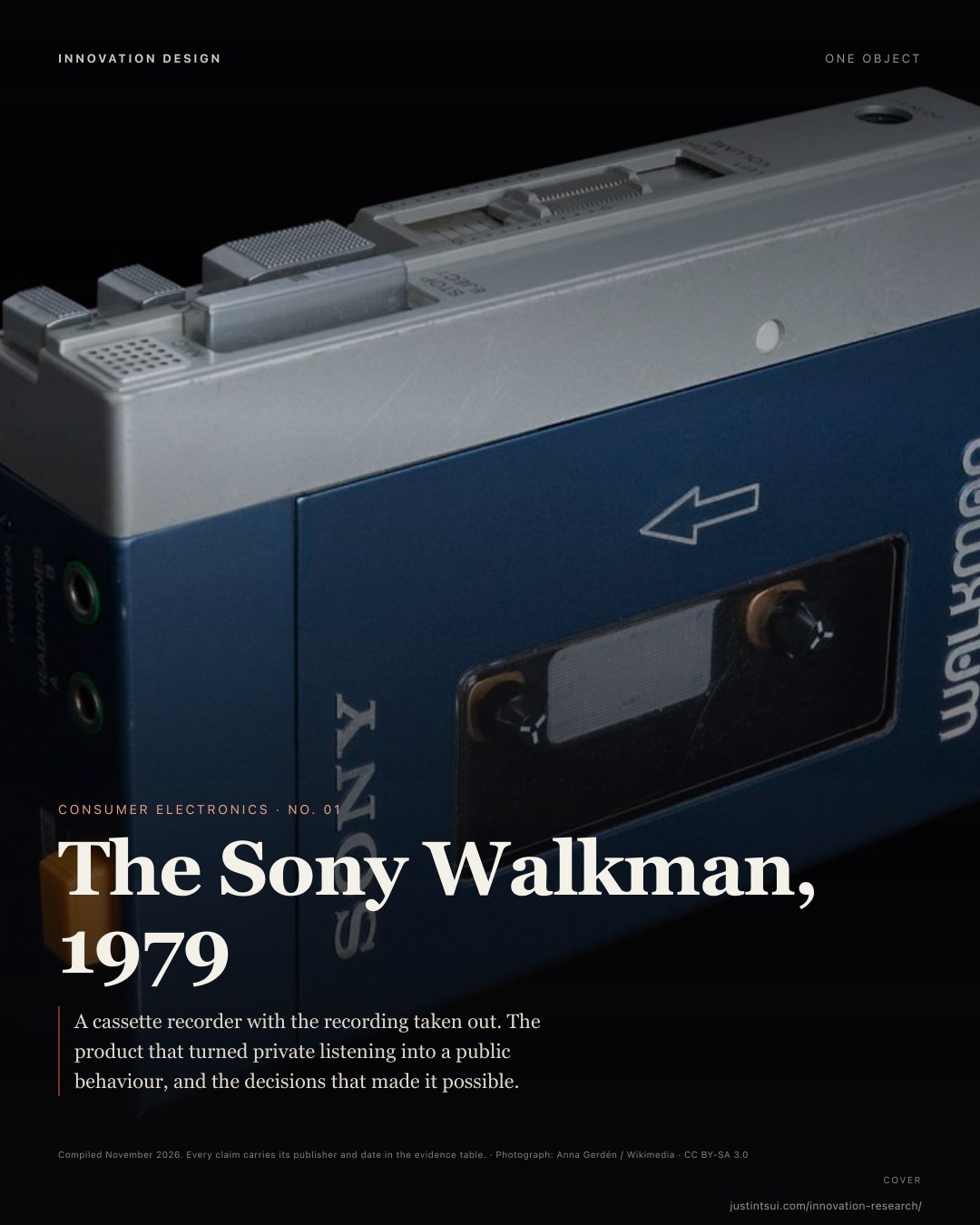
A cassette recorder with the recording taken out. The product that turned private listening into a public behaviour, and the decisions that made it possible.
The Walkman was not the name Sony wanted. The word was Japanese-made English, and the overseas sales companies fought it hard enough to launch the same machine under three others: the Soundabout in America, the Stowaway in Britain, the Freestyle in Australia. None of them held. The player became a souvenir, visitors to Japan bought it and took the word home, and Akio Morita standardised Walkman worldwide. In 1986 the Oxford English Dictionary accepted it as an English word. The product named itself through use.
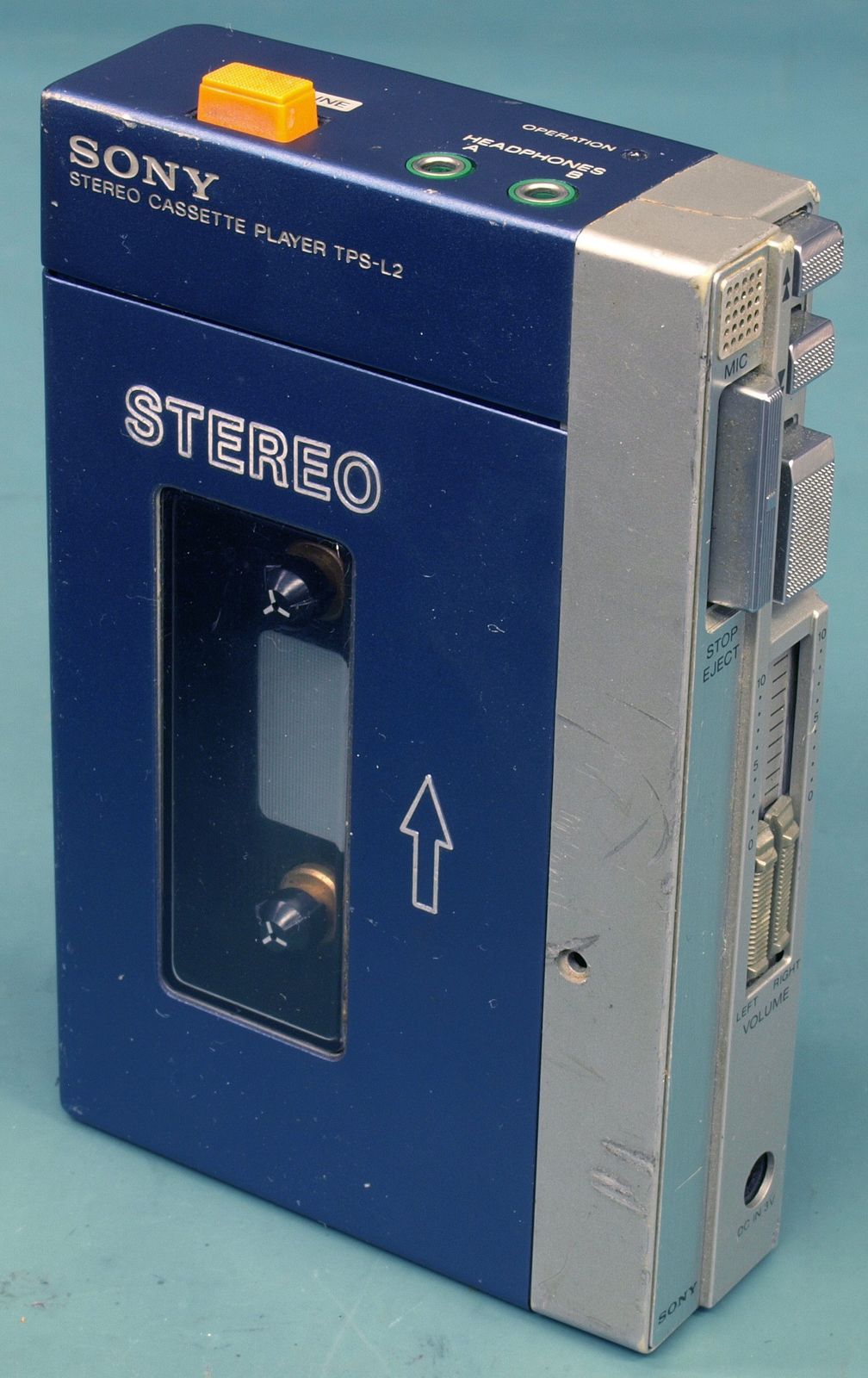
The second objection was social, and it came from inside the company. Morita took a prototype home, his wife found it isolating, and he would not sell a device that made its owner rude. The TPS-L2 carried two headphone jacks and an orange Hotline button, so two people could share one tape and speak without removing the headphones. Both features were dropped, the button by 1981, because buyers did not use them. The criticism outlived the fix. Michael Bull, a media professor at Sussex, noted that people used to think of the Walkman as anti-social, and read it instead as a different way of experiencing the social.
The first month was slow. Mental Floss puts it at 3,000 units, and Sony’s own anniversary release records that market watchers and employees doubted the product would be profitable. Two months after launch the doubt was gone. The player became a social phenomenon among young buyers, and by 31 March 2009 cumulative sales across every Walkman format reached 385 million. What outlasted the hardware was the habit: headphones worn in public, a private soundtrack carried through a shared street.
What follows is the record of how that object was made: the request that started it, the parts that were removed, the factory that could build it and the price it carried. The figures are evidence for the argument rather than the argument itself.
The brief
A request from a co-founder, not a market study.
In March 1979 Masaru Ibuka asked Sony’s audio department for something that did not exist: a stereo cassette player small enough to carry, for listening on long flights. The engineers did not design a new machine. They took the Pressman TC-D5, a compact recorder Sony sold to journalists, and removed what a listener does not need.
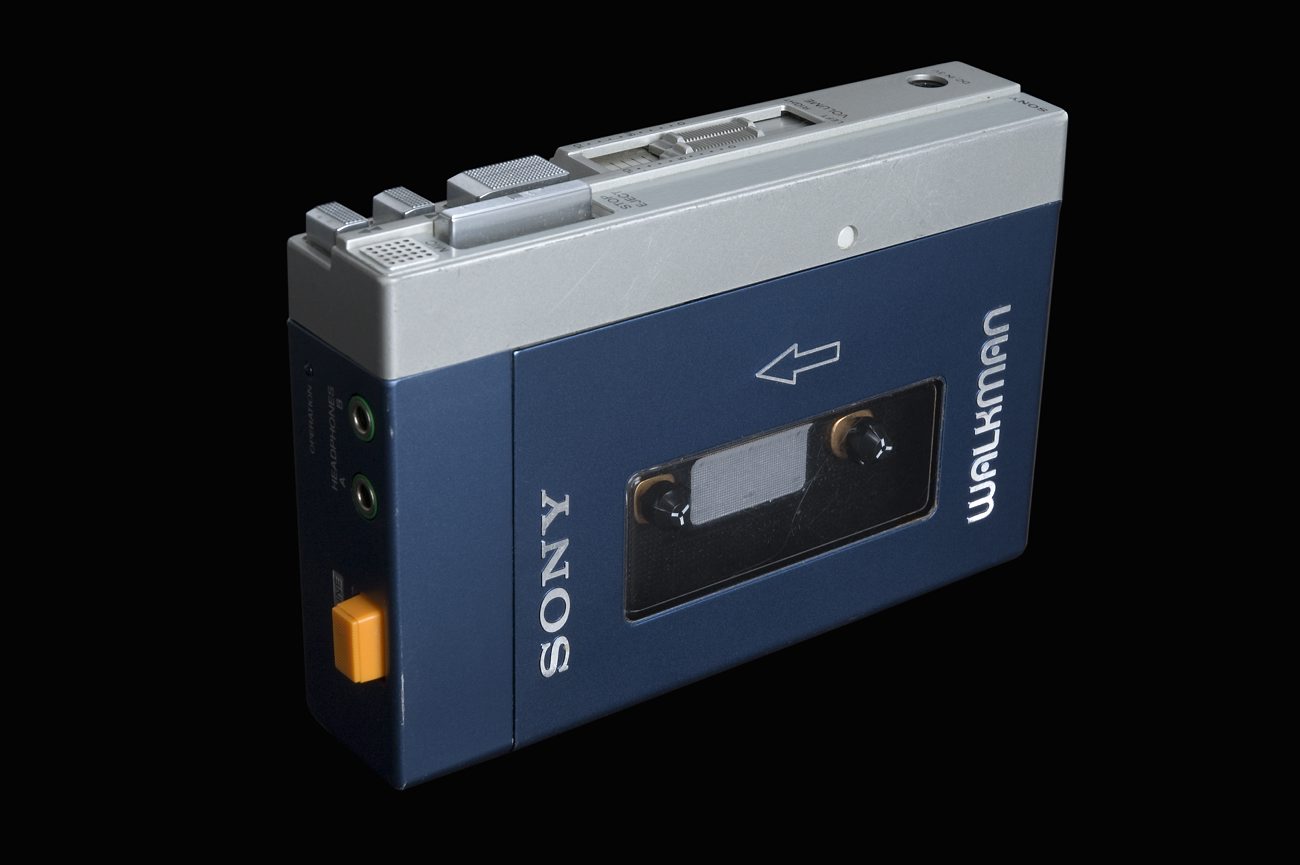
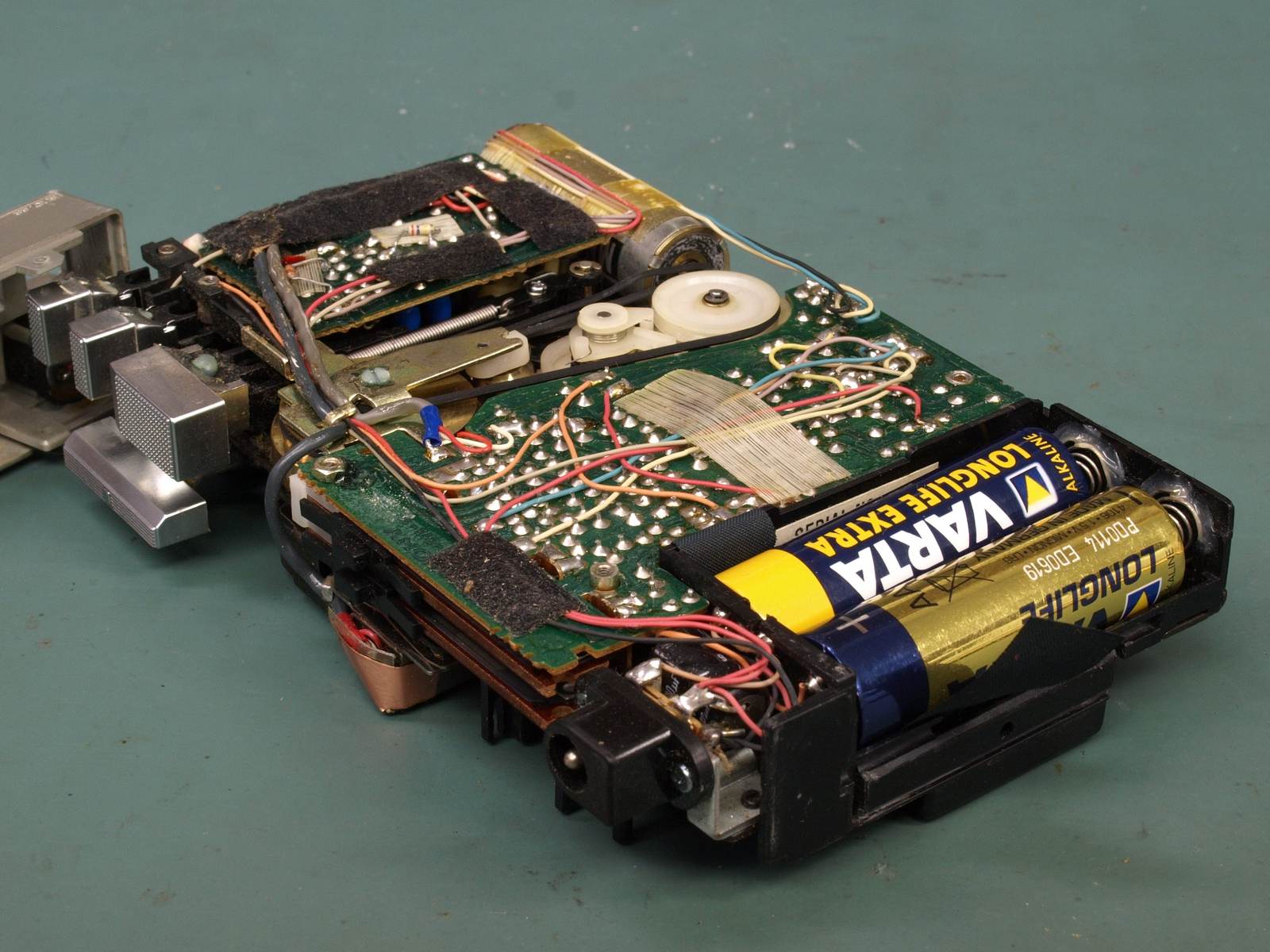
Out went the recording circuit, the microphone input and the speaker. In came a stereo playback amplifier and two headphone jacks. The case was pressed metal in blue and silver, the transport controls sat on the top edge where a thumb could reach them, and the whole thing weighed 391 grams.
There was no market research and no competitor to benchmark. The brief was one person’s use case, which is why the product is coherent: it was designed for a specific situation rather than an average customer.
The product was defined by what was taken out of it.
Sources: Sony, Walkman 20th anniversary release, 1 Jul 1999 · Wikipedia, Walkman
FEES · functional
It plays a tape. That is the whole specification.
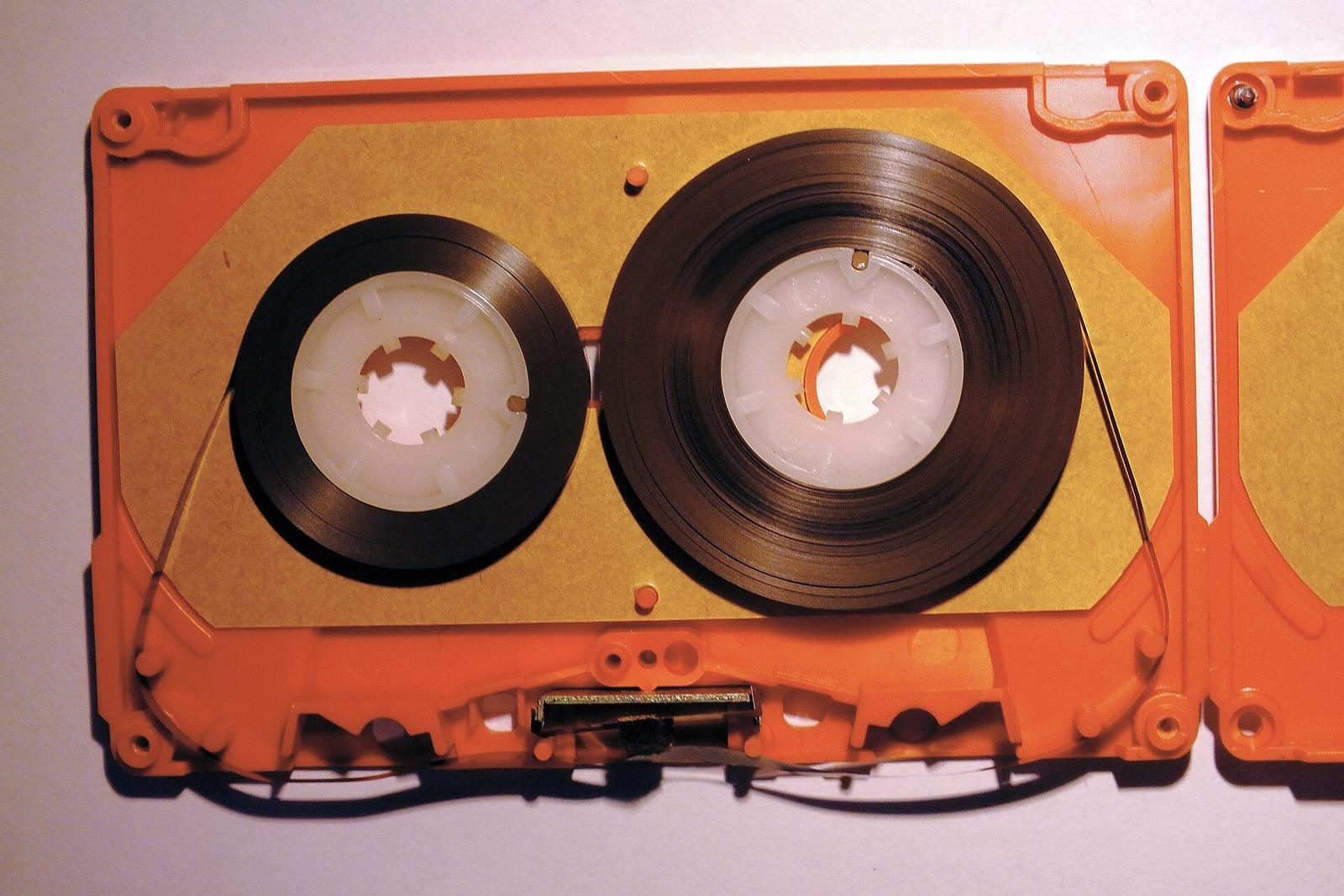
Functionally the Walkman is a tape transport, a playback head, an amplifier and two jacks. It has no recording, no speaker and no radio in the first model. Every omission reduced size, cost and the number of ways the device could fail, which is why the first units were reliable in a way that later feature-heavy portables were not.
The controls were placed for a hand that cannot see them: play, stop, fast-forward and rewind on the top edge, a volume wheel on the side, and a latch that opened the cassette door with one thumb. The device was designed to be operated while walking, in a pocket or on a belt, which is a different ergonomic problem from operating something on a desk.
The functional compromise was the tape itself. Cassettes hiss, they stretch, they need flipping, and the mechanism eats them. The Walkman inherited every limitation of the medium and still changed behaviour, which is the clearest evidence that the product was the situation it enabled rather than the technology inside it.
Design for one hand, one pocket, one situation.
Sources: Sony, Walkman 20th anniversary release · Wikipedia, Walkman
FEES · experiential
The world gets a soundtrack, and the street gets quieter.
The experience the Walkman sold was not better sound. It was control over the soundscape: the ability to choose what you hear while moving through a place that is playing something else. Riders on a commuter train could replace the announcement, the conversation and the engine with music of their choosing, at a volume they set.
That is a strange kind of product. The device disappears from the experience almost entirely; what the user notices is the environment changing. The sociologist Shuhei Hosokawa called it the Walkman effect: the listener secretes a private space in a public one, and the device is invisible in the middle of it.
The cost is social. A person wearing headphones is unavailable, and the first Walkman was criticised for exactly that: it made public space less public. The two headphone jacks and the talk button were an attempt to soften this, letting two people share a tape and speak to each other through a microphone without removing the headphones. The second model dropped the Hotline microphone but kept both headphone jacks.
A product can be invisible and still change the room.
Sources: Sony, Walkman 20th anniversary release · Wikipedia, Walkman
FEES · emotional and social
A private object that became a public identity.
Emotionally the Walkman is about ownership of attention. Owning one said that you chose your own soundtrack, that you were not obliged to be present in the noise around you. In a decade when personal space was becoming a consumer good, that was a powerful idea at a price a young person could eventually reach.
Socially it created two new figures: the person with headphones, and the mixtape as a form of personal communication. Compiling a tape for someone was slow, sequential and irreversible, which made it a more deliberate gesture than any later playlist. The object carried the message and the medium carried the effort.
By the 1990s the Walkman had become ordinary, and ordinariness is the real measure of a design’s success. Nobody wrote about it any more because everybody had one, and the behaviour it introduced had become the default way to move through a city.
The strongest social signal is the one that becomes too normal to notice.
Sources: Sony, Walkman 20th anniversary release · The Verge, 1 Jul 2014
The designer
The design was a subtraction, argued by engineers.
The Walkman has no single celebrated designer in the way a car does. It came out of Sony’s audio division under Akio Morita and Masaru Ibuka, with industrial design shaping a device whose architecture had already been decided by the Pressman platform. That is not a weakness in the story; it is how most consumer electronics are actually made.
Ibuka supplied the use case and the authority to break a product category. Morita supplied the marketing instinct and the name, arguing that a Japanese-made English word was acceptable when his sales companies wanted something safer. The engineers supplied the miniaturisation, which was Sony’s core competence and the reason the device existed at all.
The design decision that mattered most was to keep the cassette visible through a window in the door. The tape became the object’s face: you could see what you were listening to, and the device advertised the medium it depended on.
In electronics the designer is often a team with one person who can say no.
Sources: Sony, Walkman 20th anniversary release · Wikipedia, Walkman
Materials and making
Metal, because it had to survive a pocket.
The TPS-L2 used a pressed metal case rather than plastic. That was unusual for a consumer product at the price and it served several purposes: it was stiff enough to protect the transport mechanism, it gave the device a density that read as quality, and it allowed the blue and silver finish that made it recognisable at a glance.
Inside, the mechanism was Sony’s own. Building tape transports in-house was the company’s advantage, and the Walkman reused a platform already proven in the Pressman, which is why the product could be developed in months rather than years. The miniaturisation was not a breakthrough; it was the accumulated result of a decade of building smaller tape machines.
The weakness of the material choice was weight and cost, and the second generation moved to plastic. The metal Walkman is the one collectors keep, which tells you what the plastic saved and what it lost.
A material choice is a statement about how long the object is meant to last.
Sources: Wikipedia, Walkman · Sony, Walkman 20th anniversary release
Manufacturing
A platform, not a product, made it possible.
Sony could build the Walkman because it already built the Pressman: the transport, the head, the motor and the tooling existed. The new product was a variant of a platform, developed in a few months by a small team inside the audio division. That is the same structural advantage that keeps any hardware company fast: reuse the mechanism, change the object around it.
The manufacturing decision that shaped the product was to keep the cassette loading mechanism exactly as it was. A different door, a smaller hub or a new motor would have meant new tooling and a longer schedule. The Walkman looks the way it does partly because the mechanism inside it did not change.
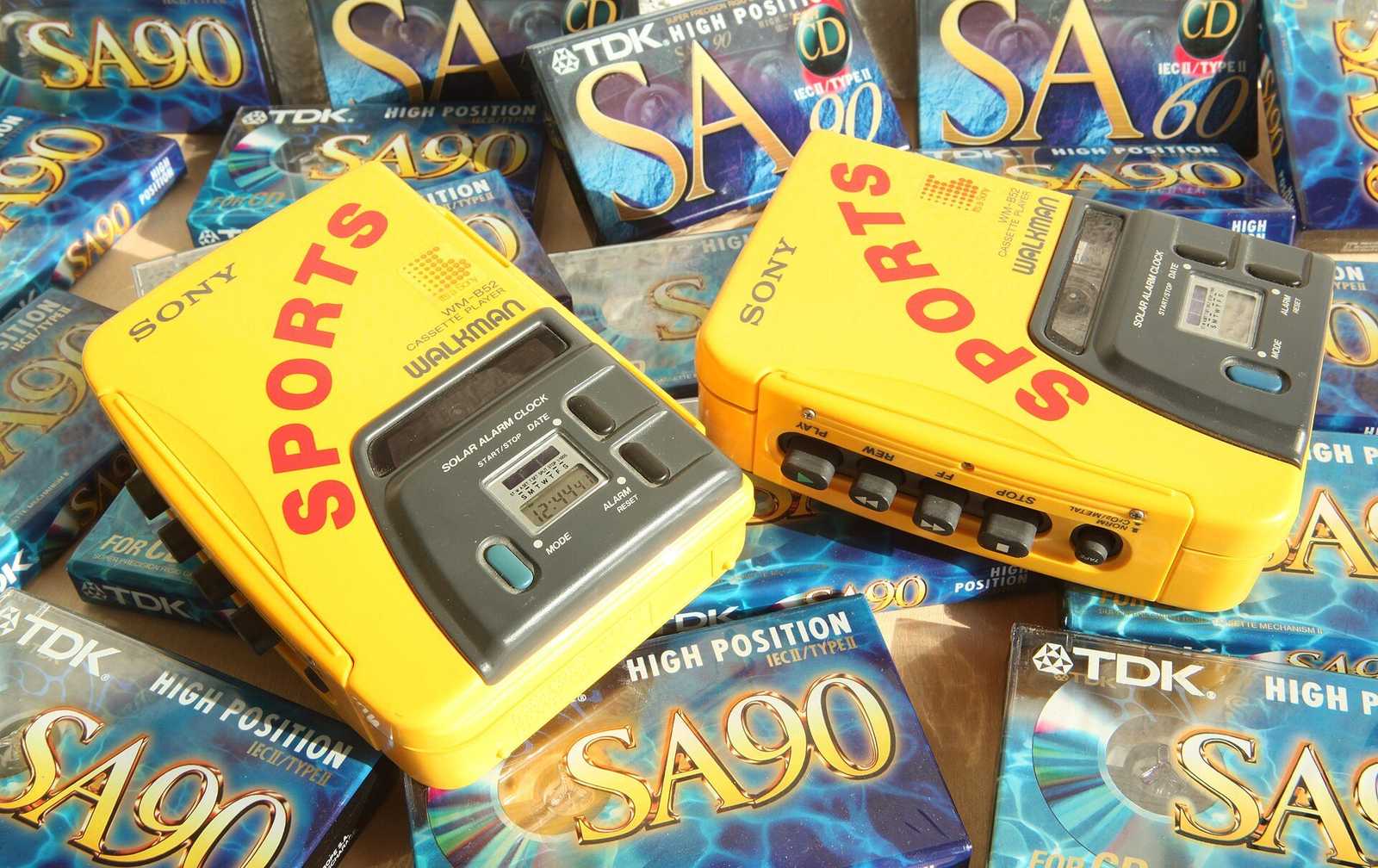
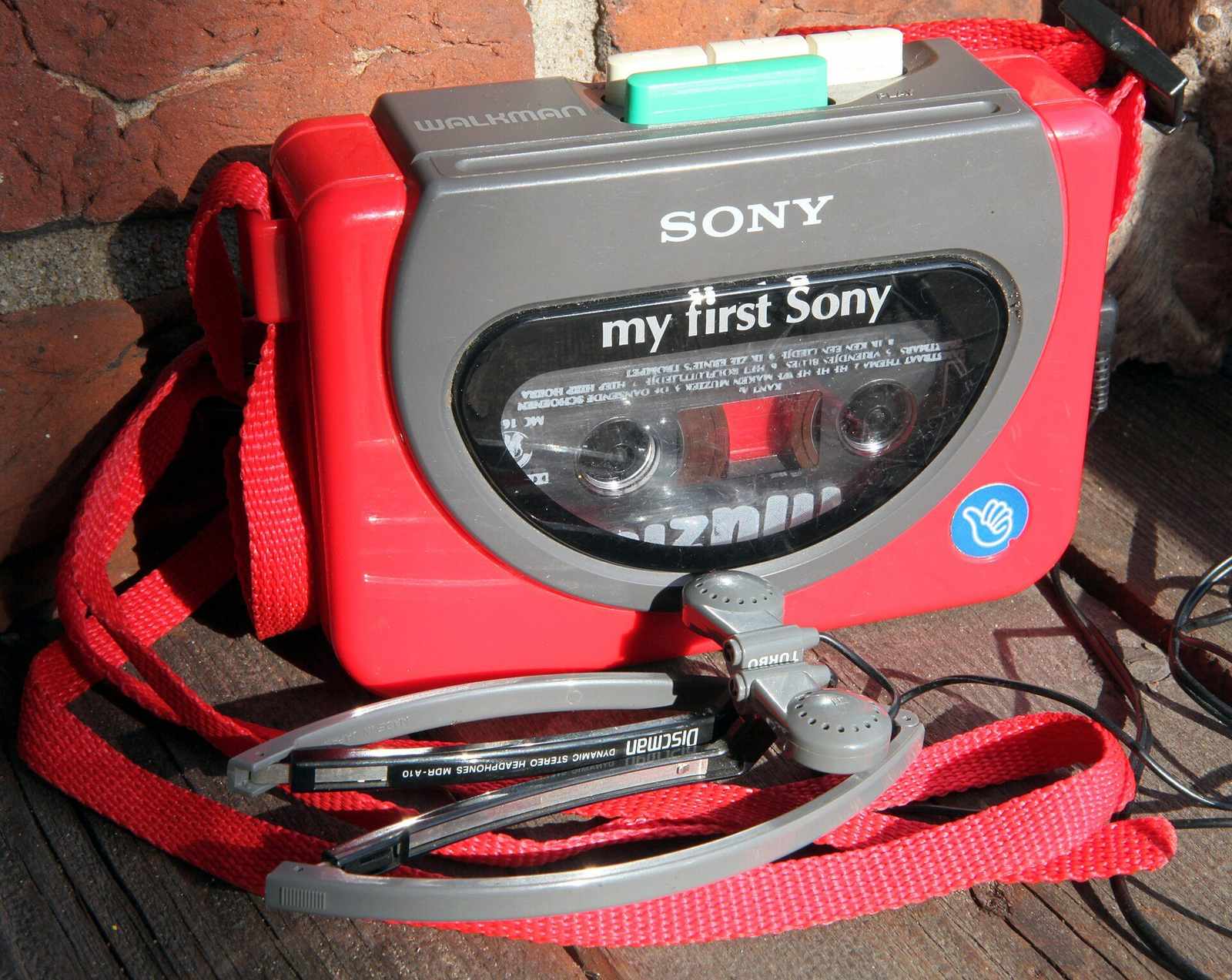
Volume came later and changed the economics. The first units were priced as a premium product; as production scaled, the same platform supported cheaper models, sports models and eventually the CD and MiniDisc versions that carried the name into other formats.
Speed comes from reusing a mechanism, not from designing a new one.
Sources: Wikipedia, Walkman · Sony, Walkman 20th anniversary release
Advertising and culture
The name was the marketing.
Sony’s overseas sales companies disliked the name. Walkman was Japanese-made English, and they launched the product as Soundabout in the United States, Stowaway in Britain and Freestyle in Australia. Customers ignored all three and kept calling it a Walkman, so the company eventually used its own word everywhere. The product named itself through use.
The launch marketing leaned on the situation rather than the specification: young people, streets, headphones, motion. Sony’s own account of the period describes a new market being born rather than a product being sold, and the phrase is fair. The advertising did not have to explain what the device was for, because the image did.
The cultural consequence outlasted the product. Public headphones, the personal soundtrack and the idea that a street can be edited became normal, and every later portable player inherited the behaviour. The iPod is the Walkman’s descendant in use, not in engineering.
When customers rename your product, the market has already decided.
Sources: Sony, Walkman 20th anniversary release · The Verge, 1 Jul 2014
The money
A premium price for a device with fewer features.
At 33,000 yen, about $150 in 1979, the Walkman cost more than a portable cassette recorder that could also record. That is a difficult sell on a specification sheet: fewer functions for more money. The price worked because the product was not competing with recorders; it was competing with nothing.
Sony’s margin came from the platform. Because the mechanism was already in production and the development was short, the company could price at a premium without carrying a large tooling cost. The first month’s sales were disappointing, according to The Verge, and then the product found its market and the format expanded into a family of models.
By 31 March 2009 cumulative sales across all Walkman editions reached 385 million units, and by 2010 the figure was commonly given as around 400 million. Two totals, different dates, both printed here because the difference is a definition rather than a disagreement.
A product with fewer features can cost more if it is the only one of its kind.
Sources: TechRadar, 1 Jul 2024 · Wikipedia, Walkman · The Verge, 1 Jul 2014
Community
A device that made strangers into a public.
The Walkman’s community was not organised by Sony. It formed around the behaviour: people who wore headphones in public, swapped tapes, and developed an etiquette about volume, eye contact and the unspoken rule that a person with headphones is not to be spoken to.
The mixtape was the community’s currency. Making one required time, sequencing and a knowledge of the recipient, and the constraint made it meaningful. When the medium changed to files, the gesture survived but the effort did not, which is why the mixtape is remembered as a cultural form rather than a format.
There was a backlash too. Critics argued that the device privatised public space and made cities less sociable, a complaint repeated for every subsequent personal technology. Both readings are true at once: the Walkman gave individuals control and took something from the shared room.
Every personal technology is accused of the same thing, and it is usually true.
Sources: Wikipedia, Walkman · Sony, Walkman 20th anniversary release
Collaboration
Vision, engineering and marketing in one room.
Three functions made the Walkman. Ibuka supplied the demand signal that no market study would have produced: a specific person wanting to listen to music on a flight. The audio engineers supplied the platform and the discipline to remove features. Morita supplied the name and the willingness to sell a product that his own sales companies thought was wrongly named.
The collaboration worked because the interfaces were simple. The engineers owned the mechanism, the designers owned the object’s form and controls, and marketing owned the story. Nobody was asked to approve a decision outside their system, and the whole thing was small enough that the three could talk directly.
That is the same pattern as any successful interdisciplinary product: one person with the authority to say what the product is, specialists who own their systems, and a schedule short enough that the interfaces do not have time to drift.
Small teams with clear ownership beat large teams with unclear authority.
Sources: Sony, Walkman 20th anniversary release · Wikipedia, Walkman
Difficult decisions
Removing the record button, and then the second jack.
The hardest decision was to ship a recorder that could not record. A cassette device without a record function was, on paper, a worse product at a higher price. The team judged that the recording circuit was the thing standing between the object and the pocket, and they were right, but it was a bet against the specification logic of the category.
The second difficult decision was to keep the social feature and then remove it. The two headphone jacks and the talk button let two people listen together, which was an attempt to make the device less antisocial. The WM-2 of 1981 kept both jacks and replaced the Hotline microphone with a mute switch on the headphone cable. A feature that protects a social good can lose to a feature that sells.
The third was the name. Sony’s overseas companies wanted a conventional word and launched under three different ones. Morita insisted on the Japanese coinage, and the market eventually agreed with him. That is a marketing decision usually attributed to luck, but it was a choice made against advice.
Every feature you remove is a bet that the situation matters more than the specification.
Sources: Sony, Walkman 20th anniversary release · CNET, Walkman history · Wikipedia, Walkman
What it teaches
Five decisions worth copying.
First: design for a situation, not a market. Ibuka’s flight produced a better product than a segmentation study would have.
Second: subtract until the object fits the use. The record function was the difference between a recorder and a Walkman.
Third: reuse the platform. The mechanism was already built, which is why the product existed within months.
Fourth: let the market name it. Three official names failed; the unofficial one became a category.
Fifth: expect the social cost to be real. The Walkman made public space less public, and the company could not design that objection away.
A product is a set of decisions about what not to include.
Sources: Synthesis of the sources on this page
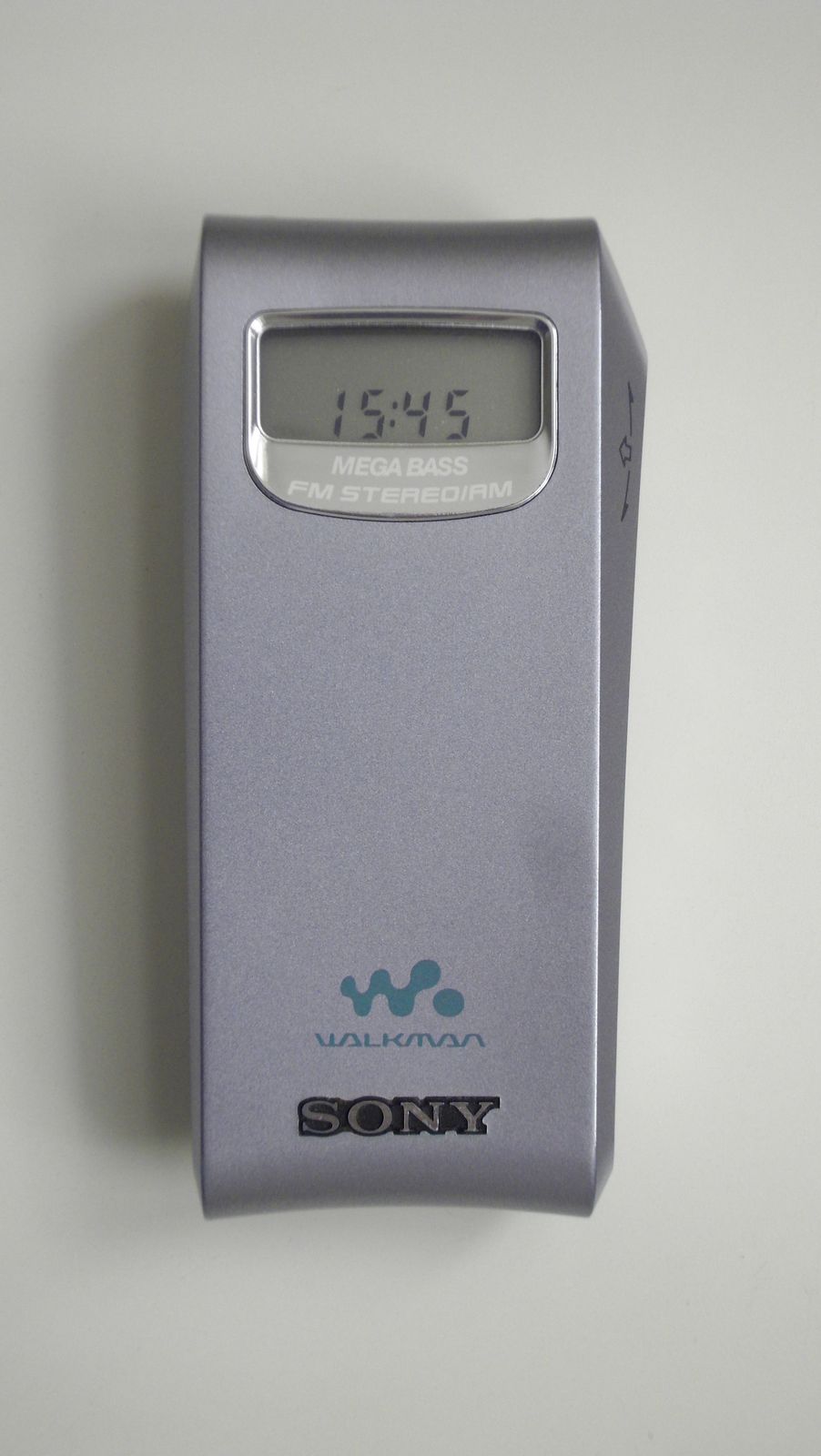
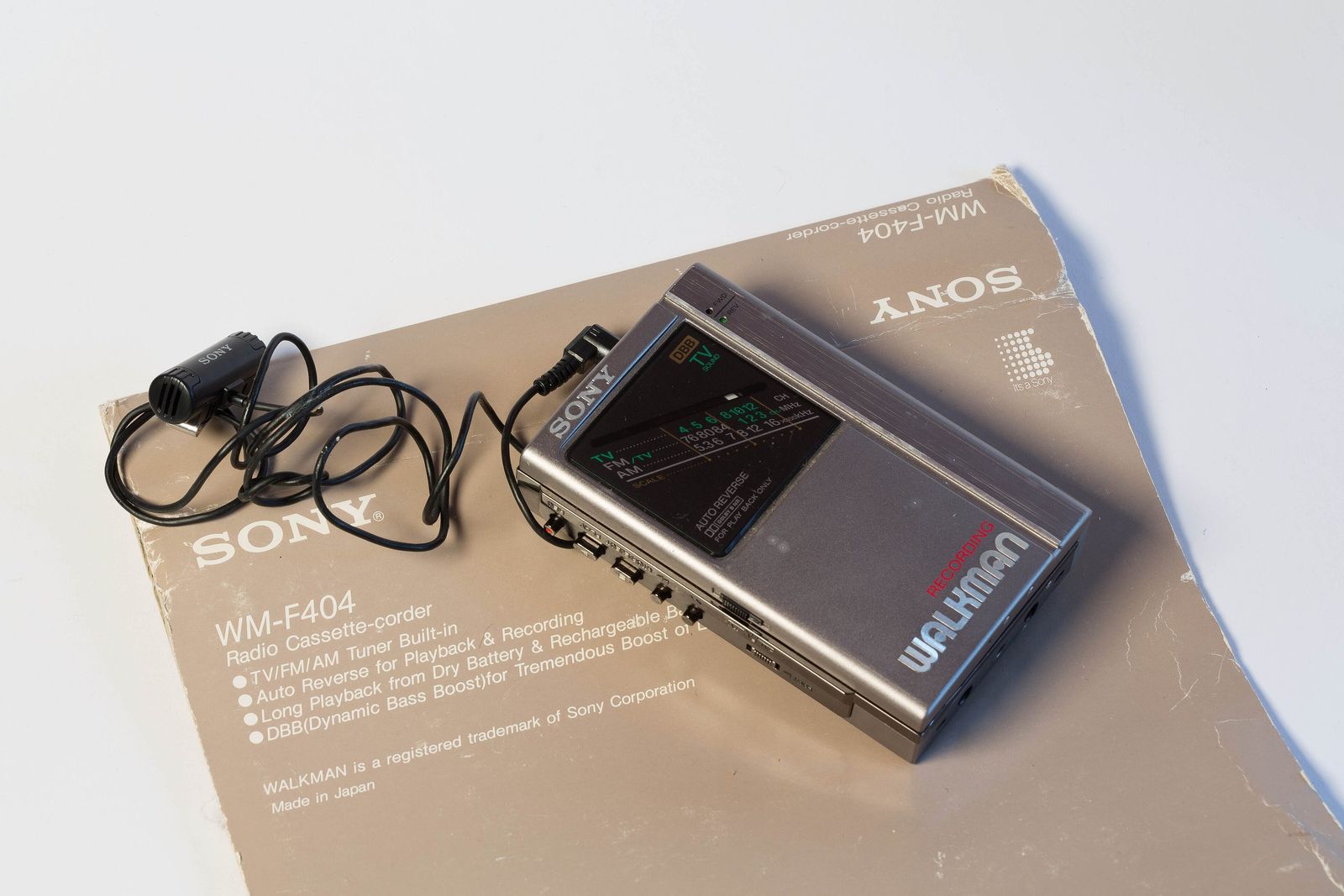
What the Walkman says about research
No market study preceded the Walkman. There was no portable listening category to size in March 1979 and no competitor to benchmark; the research of the day would have kept the record button and the speaker. The brief was one co-founder’s flight and a request for music he could carry.
Sony’s own staff doubted the product would make money, and the first month sold about 3,000 units. Two months later the doubt was gone, and the object went on to sell 385 million units by 31 March 2009 on the company’s own anniversary figure. The behaviour outlasted the count: public headphones, the personal soundtrack, the idea that a street can be edited. Every later portable player inherited it, including the players that ended the Walkman.
The uncomfortable lesson is that research can measure a market that already exists. The Walkman made one, and the making was a series of refusals that began with the record button. A business that waits for the evidence arrives after someone else has defined the category.
Which business will build the next classic design? The answer usually starts with something a company is afraid to take out.
Evidence
| Tier | Claim | What the source says | Publisher · date | |
|---|---|---|---|---|
| A | Launch | TPS-L2 introduced 1 July 1979 in Japan | Sony · 1999-07-01 | source |
| C | Price | 33,000 yen, about $150 at launch | TechRadar · 2024-07-01 | source |
| C | Origin | March 1979: Pressman recorder adapted at Ibuka’s request; recording and speaker removed | Wikipedia · 2026-11-04 | source |
| A | Name | Soundabout in the US, Stowaway in Britain, Freestyle in Australia | Sony · 1999-07-01 | source |
| C | Units, 2009 | 385 million across all editions as of 31 March 2009 | Wikipedia · 2026-11-04 | source |
| C | Units, 2010 | around 400 million by 2010 | Wikipedia · 2026-11-04 | source |
| C | First month | sales in the first month were disappointing | The Verge · 2014-07-01 | source |
| C | Hotline | the record button became a talk button for the second headphone jack | CNET · 2014-07-01 | source |
| B | Weight | the Stowaway TPS-L2 weighed 391 grams | Victoria and Albert Museum · 2026-11-05 | source |
| C | Second model | the WM-2 (1981) kept two stereo mini-jack headphone outputs | comparehw · 2026-11-05 | source |
| A | Name | sales companies abroad strongly opposed ‘Walkman’; launched as Soundabout in the US, Stowaway in England, Freestyle in Australia; accepted overseas as tourists bought it in Japan; Morita standardised the name worldwide | Sony · 1999-07-01 | source |
| A | Dictionary | ‘Walkman’ appeared in the Oxford English Dictionary in 1986 | Sony · 1999-07-01 | source |
| A | Skepticism | market watchers and even Sony employees were skeptical about profitability; two months after launch the skepticism was wiped out | Sony · 1999-07-01 | source |
| C | Social worry | Morita’s wife was annoyed at the isolating nature of the device; a second headphone jack and an orange button let two listeners talk | Mental Floss · 2019-07-01 | source |
| C | First month | 3,000 units sold in the first month on sale, July 1979 | Mental Floss · 2019-07-01 | source |
| B | Design intent | two headphone jacks and a HOT LINE button, both later removed because people did not use them; public headphones were once seen as rude and antisocial | Design Museum · accessed 2026-11-09 | source |
| C | Criticism | people used to think of the Walkman as anti-social, read by Michael Bull as a different way of experiencing the social | The Spokesman-Review · 2004-08-08 | source |
Innovation Design publishes monthly. Every number links to its source. justintsui.com/innovation-research
About this research
This issue is compiled from publicly available sources: official statistics, company filings, industry
associations, peer-reviewed papers, app-store and marketplace data, and named press reporting, together with
published figures from subscription databases such as valuation registers and app-revenue panels. Those figures are
attributed as published and never re-estimated. Every figure carries its publisher, date, basis and link.
Principal sources for Innovation Design: Sony; TechRadar; Wikipedia; The Verge; CNET; Victoria and Albert Museum; comparehw; Mental Floss.
This is an editorial digest for general information. It is not investment, legal or
purchasing advice. Corrections are published against the issue and the underlying evidence table is updated.