Thirty logical qubits now run on eighty atoms, and no customer has yet named the job they would do. Readiness improved again in November; the purchase orders did not follow, and five of the seven categories lead with a demonstration rather than a contract.
The numbers
Thirty-two technologies across seven categories, median TRL 7, all 32 with a measured patent count and 168 evidence rows behind the board. Twenty-three of those rows are new this month, and four cut against the previous read: hybrid bonding’s absence from HBM4, the shift to 8-high memory stacks, the share of buyers pulling deployments back, and the absence of published performance from four MOF capture plants.
Readiness, commercial window, the work ahead and patent density, one page per category, with the sources named.
32 technologies
TRL 4–9 range
32/32 patent counts measured
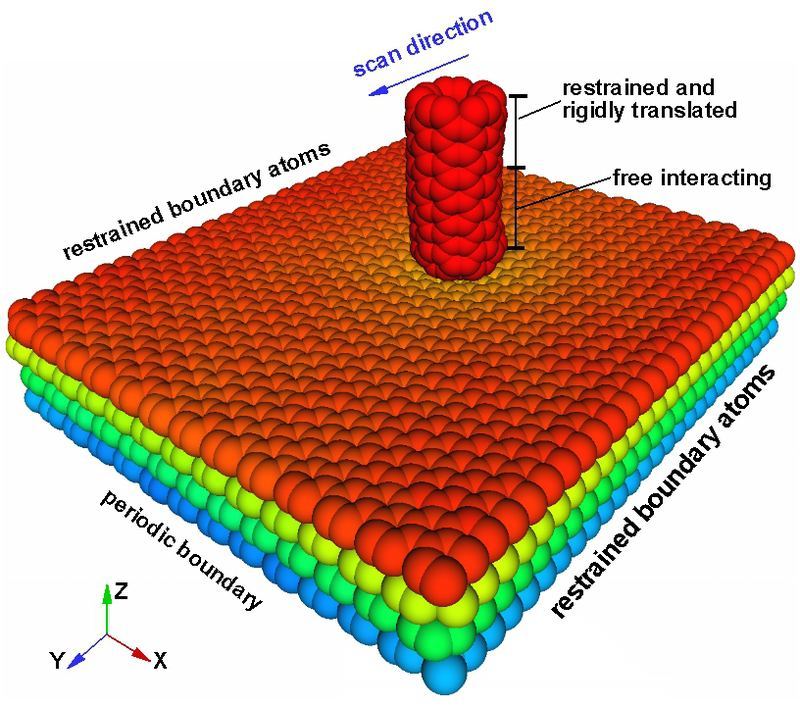
Advanced Materials · One graphene plant runs at 10 tonnes a year against 124,672 filings.
Four technologies between TRL 5 and TRL 7, with 228k patent filings behind them, the most crowded category on the board. The commercial constraint shows in the scale: one graphene plant commissioned in June produces 10 tonnes a year, and the four MOF capture deployments have published no measured capture rate, purity or energy draw.
Qualification sets the pace. A plant engineer needs a code to specify against, and writing that code takes years; until it exists, a better material has nowhere to go.
Links: EIC Accelerator report · GMG company release · ACS Omega review
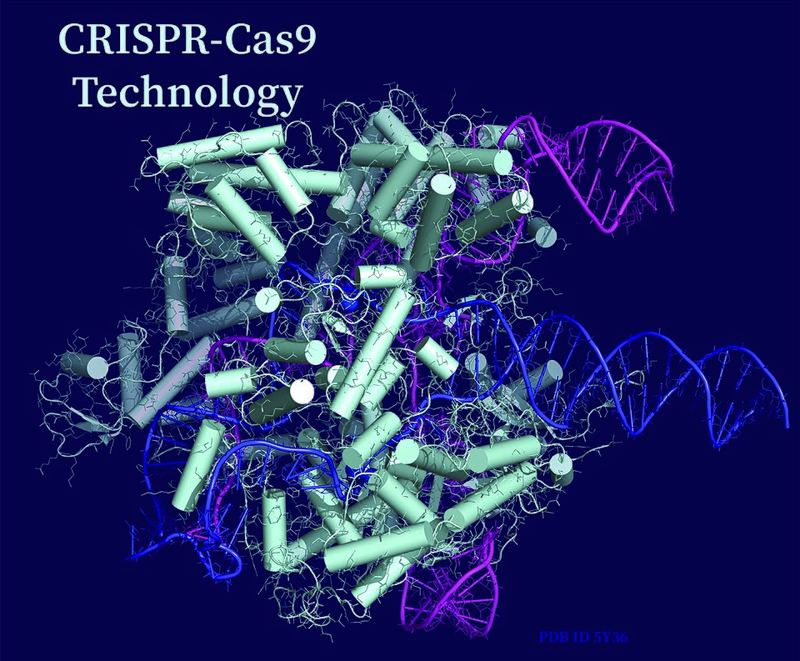
Biomedical · Nine tumours have been reported after a gene therapy approved in 2019.
Four platforms at TRL 7–8 and 71k filings. The FDA is investigating tumours in patients treated with Zolgensma, confirmed vector integration at the GLI1 oncogene in two of three cases it examined, and extended the risk to Itvisma; 55 cell and gene therapies are licensed.
The FDA found vector integration at the GLI1 oncogene in two of three tumours it examined, and extended the risk to a second product built on the same construct, keeping both on the market.
Links: FDA safety communication · Reuters via Economic Times · FDA — Voceryq approval
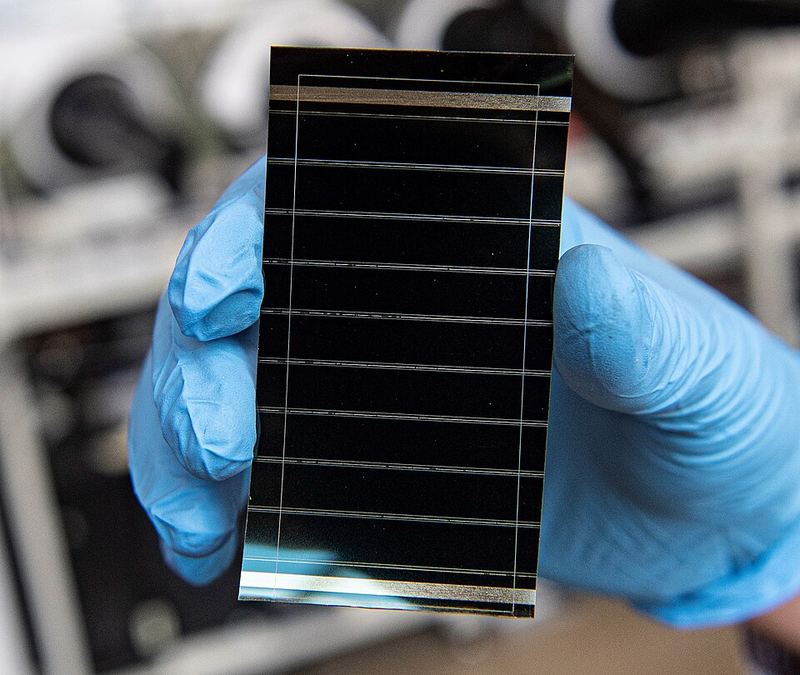
New Energy · The first bankable plant in the set produces 35,000 tonnes of hydrogen a year.
Five technologies from TRL 7 to TRL 9 and 202k filings. CMMZE’s Namibian plant reached a final investment decision at 35,000 tonnes of hydrogen a year, while the Energy Industries Council counts about 3 GW of Europe’s 31 GW of planned 2030 capacity as having done the same.
CMMZE took its final investment decision in September, with 210,000 tonnes of ammonia a year from 800 MW of on-site renewables and first output in 2030.
Links: NAMPA · Everfuel company release · Energy Industries Council
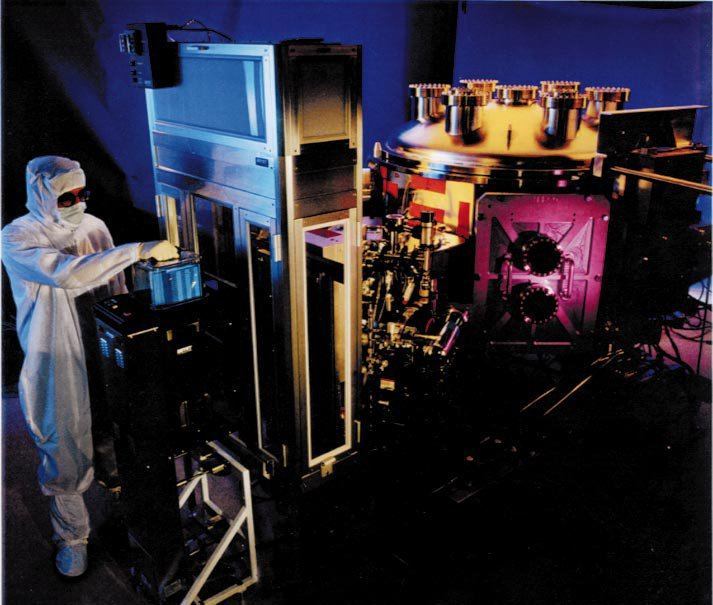
Microelectronics · HBM4 buyers are asking for 8-high stacks instead of 12.
Five technologies at TRL 8–9 and 108k filings, the most mature group here. Memory buyers are reviewing 8-high HBM4 stacks instead of 12-high, hybrid bonding carries none of HBM4 volume, and TSMC is still pushing N2 toward 120,000 wafers a month.
Bonding yield and heat push the stack shorter, and the shorter stack removes the pressure that hybrid bonding was meant to answer; JEDEC has already relaxed the package height ceiling.
Links: etoday · VLSI Research · Tom’s Hardware
Frontier AI · Ninety-eight percent of IT leaders have pulled back a deployment after a failure.
Four model families at TRL 6–9 with 15k filings, the thinnest patent record in the set. In Cloudera’s survey of 1,500 IT leaders, 98% had pulled a deployment back after a failure and 89% had limited scope as token costs rose.
Cloudera’s survey of 1,500 leaders, fielded in September, finds reliability and token cost stopping rollouts before capability does.
Links: Cloudera survey via Digitalisation World · The Register / TechRadar
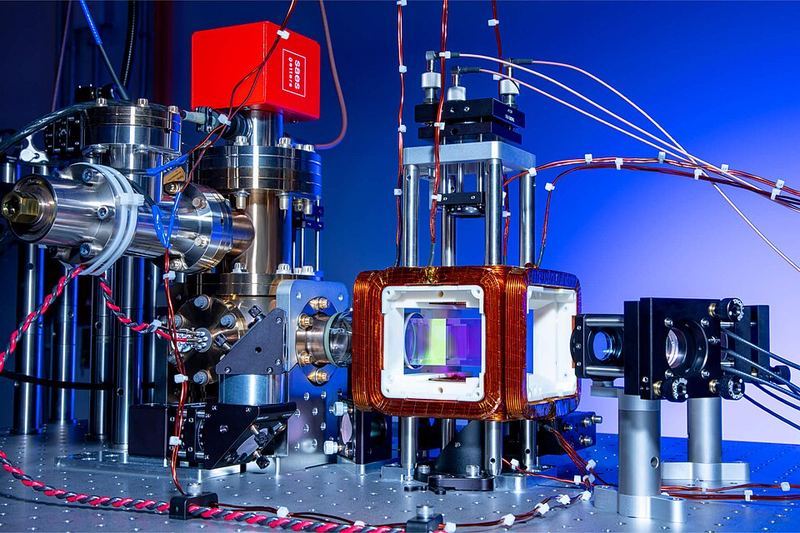
Quantum computing · Thirty logical qubits now fit on eighty atoms.
Five modalities at TRL 4–8 and 22k filings. Infleqtion ran 30 logical qubits on 80 atoms, and the DOE’s Q Competition now names a target of 100 logical qubits running 100,000 hard operations by late 2028, against 438 demonstrated.
Infleqtion put thirty logical qubits on eighty atoms, near a 3:1 ratio of hardware to protected qubits, and the DOE has now attached a date to the demand side of the question.
Links: Forbes / Moor Insights · IBM Newsroom · Quantum Computing Digest
Space and communication · Flight 15 aims for the first ship catch with 26 V3 satellites aboard.
Five technologies at TRL 4–9 and 51k filings. Flight 15 is scheduled for 13 November with 26 V3 satellites and the first ship-catch attempt; 14 flights have produced three booster catches and no ship catch.
Each V3 satellite adds 1 Tbps of capacity, and the manifest has been the constraint: fourteen full-stack flights, three booster catches and no ship catch yet.
Links: SpaceX · The Space Road · Launch Library 2 via SpaceNexus
Zero of HBM4’s stacks use the bonding rated TRL 9.
Seven of the 32 technologies sit at TRL 9 and eight at TRL 8. This month the ladder carries a caveat: the bonding technique rated TRL 9 supplies none of HBM4’s volume production, because the shorter stack and the relaxed JEDEC height ceiling removed the need for it.
TRL bands follow the NASA and EU convention, scored per technology against a named 2026 demonstration.
7 technologies at TRL 9
0% HBM4 volume on hybrid bonding
TRL 7 median
Links: VLSI Research · etoday
Graphene carries 18% of the 698k filings.
698k filings across 32 measured terms, with graphene alone carrying 124,672 of them. Read the count as crowding rather than capacity: that same material’s newest plant is rated at 10 tonnes a year, and quantum remains the quietest category at 22k.
A filing count is a crowding signal. Materials and batteries are crowded; quantum is the quietest of the seven.
698k filings, all 32 terms
124,672 CVD graphene films
32 terms measured
Links: Google Patents · GMG company release
Nine researchers hold 42% of the citations.
One lead researcher per category, picked by citation weight from OpenAlex. Nine names hold most of the citations on the board, which makes the list a starting point for diligence rather than a ranking of who commercialises.
One lead per technology, chosen by citation weight, with institution and citation count from OpenAlex.
60 researchers tracked
9 leads in this issue
Links: OpenAlex
Four gaps, and the query that closes each.
Four gaps carry a named query and a cost: audited market size, family-deduplicated patents, an independent TRL review and company-level revenue.
Every figure carries a publisher, a date and a link on the dashboard. Where a source refused access, the row is marked to measure and the query is kept.
4 gaps with a named query
Innovation DeepTech publishes monthly. Every number links to its source. justintsui.com/innovation-research
About this research
This issue is compiled from publicly available sources: official statistics, company filings, industry
associations, peer-reviewed papers, app-store and marketplace data, and named press reporting, together with
published figures from subscription databases such as valuation registers and app-revenue panels. Those figures are
attributed as published and never re-estimated. Every figure carries its publisher, date, basis and link.
Principal sources for DeepTech: Google Patents · national patent offices · company filings · peer-reviewed literature.
This is an editorial digest for general information. It is not investment, legal or
purchasing advice. Corrections are published against the issue and the underlying evidence table is updated.


